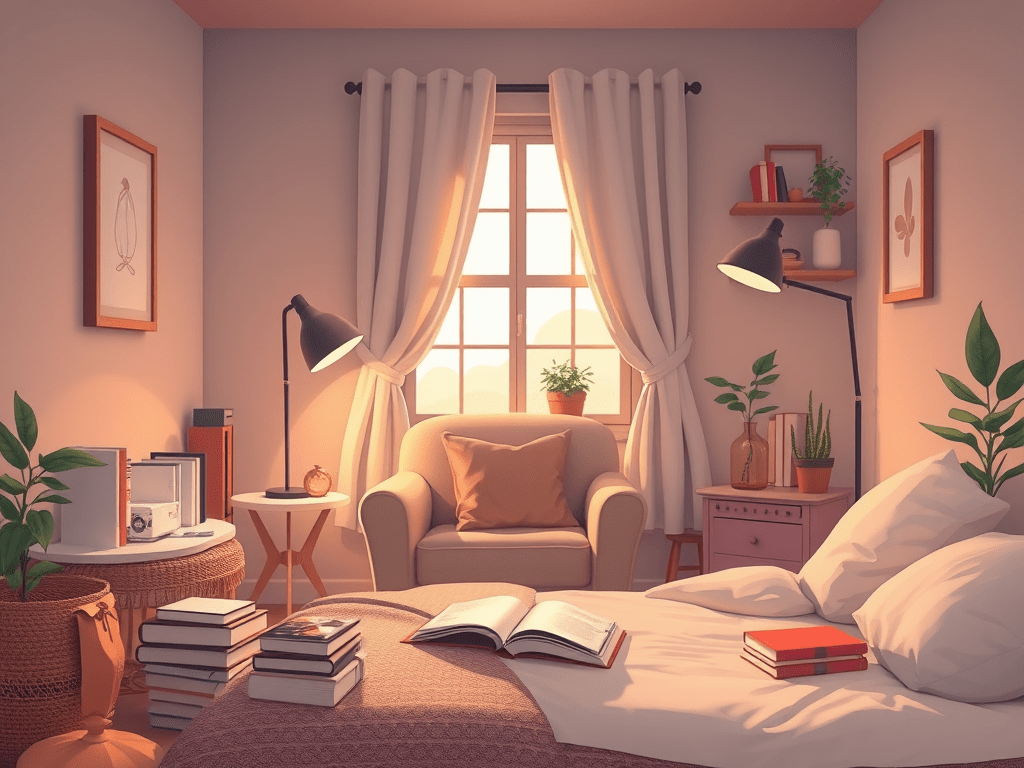
Solitude is the introvert’s best friend. Time away from the noise to read, write, create, or simply to think is essential. However, reaching this point of recharge sometimes happens only after a complete crash.
Imagine a week packed with meetings and an overflowing inbox in the corporate world or endless inventory checks and customer service demands in the retail world. Add in a family “emergency” or two you’re volunteered to handle, a loved one’s celebratory event you can’t decline, and sometimes being forced to cover the slack of a less productive coworker.
Before you can breathe, the week is over, and you’re already dreading the start of next week. Your mind and spirit are spent, your energy reserves depleted, and even the smallest interactions feel torturous. Finally, you crash—huddled in your room, under the covers, snacks nearby, clutching a book or journal and pretending the outside world doesn’t exist.
You call this your safe space, your much-needed retreat, but deep down, you know this isn’t restorative. This habitual burnout leaves you stuck in a cycle of exhaustion and what can only be described as a laughable recovery.
This cycle is all too familiar to me. Each time, I felt like I let myself down. Instead of writing a new chapter or editing an existing one, I binged a Netflix series. Rather than taking advantage of my Great Courses subscription to learn something new, I procrastinated. I told myself solitude would cure everything, but I didn’t prioritize activities that could truly recharge me. Looking back, I see what a mistake this was now that I’ve learned the importance of intentional self-care.
Without intentional moments for self-care and recharging, introverts risk falling into cycles of anxiety and disconnection. Between social obligations, work demands, and personal commitments, self-care stops being a luxury and becomes a lifeline. Prioritizing these moments of recharge allows introverts to rediscover balance and bring their best selves to the world around them.
In this post, we will explore effective self-care practices tailored to the unique needs of introverted personalities. Whether navigating social obligations or seeking solace in solitude, these tips are designed to help you recharge and thrive.
Understanding the Introvert’s Need to Recharge
Recharging for introverts means creating space to reconnect with ourselves away from external demands. The quiet and calm of solitude help introverts unwind. The stillness of a moment frees our minds to reflect on many things and build understanding. This process frequently fuels our creativity and is crucial for cultivating a strong sense of self.
According to psychologist Carl Jung, introverts have a personality type that thrives on analysis—whether it’s of ourselves, history, society, art, or anything else—because our energy builds through reflection. Recognizing this need for intentional solitude allows introverts to recharge meaningfully and is important for maintaining mental and physical health.
Let’s dive into the brain’s chemistry to understand why introverts need intentional solitude to recharge. Two key neurotransmitters, dopamine and acetylcholine, play a significant role. Dopamine is often called the “feel-good chemical” and is triggered by excitement and rewards. Introverts, however, are more sensitive to dopamine and don’t need as much stimulation to feel good—too much can leave us feeling overwhelmed.
On the other hand, acetylcholine supports relaxation and deep thinking. It feels like the soothing calm of a quiet evening or the focus that comes from losing yourself in a good book. By understanding these chemicals, introverts can align activities with their natural rhythm, choosing pursuits like reading, writing, or enjoying nature.
Now that we’ve covered why our brains crave solitude, let’s explore how to create environments that nurture our need for peace.
Creating a Recharge-Friendly Environment
- Claim Your Space: Having a personal retreat space is essential for recharging. This could be a cozy corner in your home, a dedicated room, or even a patio or balcony where you feel at peace. Decorate it with calming colors and soft lighting, and I like to add scented candles to create a sanctuary that soothes your senses. My spot is a comfy bean bag chair in the corner of my room right next to the balcony because I like the natural lighting it provides.
Daily Practices for Inner Peace
- Mindfulness and Meditation: Mindfulness helps introverts manage overstimulation by encouraging them to stay present and centered. Simple practices, such as focusing on your breath for a few minutes or listening to calming sounds, can make a significant difference. Apps like Headspace or Calm can be helpful tools. I typically set my TV to @SleepRelaxation on YouTube to create a serene atmosphere when I’m writing or about to go to bed.
- Journaling as a Reflective Practice: Journaling is an excellent way to process emotions and reflect on your day. It’s a therapeutic practice that encourages self-awareness. I use journaling to write about things I want to understand, whether about myself or societal issues that strike me.
- Nature as a Reset Button: Spending time outdoors can be incredibly grounding for introverts. Activities like hiking, gardening, or simply taking a walk in a park allow you to recharge while connecting with the natural world. Nature provides an ideal environment for solitude and reflection.
Top Three Self-Care Ideas Tailored for Introverts
- Creative Outlets: Creative activities like painting, writing, or playing music allow introverts to express themselves without external pressures. These hobbies are more than mere leisure activities—they’re vital outlets for stress relief and personal growth. Here are a few ideas to try:
- Starting a sketch journal or experimenting with watercolors to capture your thoughts visually.
- Explore digital tools like Procreate or Canva to create designs for your own pleasure or for an Etsy shop.
- Take an online creative writing course or set up a consistent writing schedule to channel your ideas.
- Experiment with hands-on crafts like pottery, knitting, or DIY home projects to further decorate your space.
- Reading and Learning: Books offer introverts a meaningful escape and an opportunity for personal growth. Whether it’s fiction, memoirs, or self-help, reading allows introverts to explore new ideas in their own time. Learning about other cultures or histories can be immensely fulfilling—a perfect balance of mental stimulation and introspection. I recommend a subscription to The Great Courses Signature Collection from Amazon Prime Video.
- Solo Adventures: Though exploring alone is a concerning thought for many women, even done with caution, it can be incredibly liberating for introverts. Whether it’s a trip to the beach, visiting a museum, or trying a new hobby, solo adventures help introverts recharge on their own terms. Just recently, I took a trip to the beach with only a book, a chair, and my earbuds, and that was one of the best days I’ve had in a while.
Embrace the Power of Solitude
Solitude isn’t just an escape for introverts—it’s an essential part of our well-being. By understanding the unique ways our minds and bodies recharge and integrating intentional self-care practices, we can break free from burnout cycles and thrive in our personal and professional lives.
Whether we find solace in nature, lose ourselves in creative projects, or simply savor the peace of a quiet room, these small but powerful moments help us connect more meaningfully with ourselves and the world around us.
So, start today—create a space for yourself, carve out time for reflection, and embrace the activities that rejuvenate you. Remember, self-care is not selfish; it’s the foundation of living your fullest life as an introvert.
Take the Next Step
What self-care practice resonates most with you? Is there an activity you’ve been longing to try or a space you’ve been dreaming of creating? Share your thoughts in the comments or let us know what has worked for you. Together, we can inspire a community of thriving introverts!
 Introvert Chronicles
Leave a reply to The Sacred Space Within: Redefining What It Means to ‘Come Out of Your Shell’ – Introvert Chronicles Cancel reply